Anion Gap Calculator for Interpreting Electrolyte Panels
What the Anion Gap Indicates
The anion gap is a calculated value that helps clinicians interpret an electrolyte panel by assessing the relationship delta ratio calculation steps between measured plasma ions. It is not listed directly on most lab results, but it can be derived from the numbers that are already present in routine testing. Because it shows the difference between major measured cations and anions, it provides an important window into acid-base balance.
An elevated or unexpectedly low result can act as a diagnostic clue when reviewing lab results. In practice, the anion gap is most helpful for recognizing an acid-base disorder, especially metabolic acidosis. It also supports broader clinical interpretation of electrolyte values by suggesting hidden acid accumulation, unmeasured ions, or a shift in protein-related charge balance.
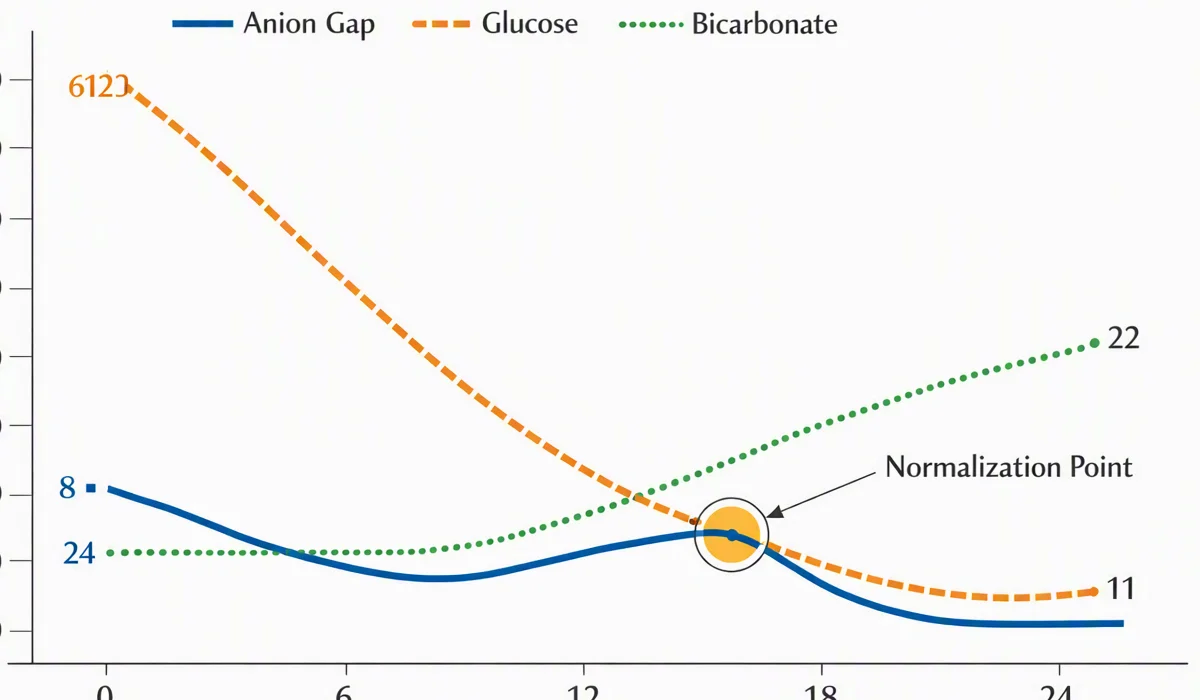
An anion gap calculator simplifies this process by turning routine measurements into a quick gap analysis. That can be especially useful when a clinician is reviewing an electrolyte imbalance or trying to connect a chemistry panel with the patient’s symptoms, history, and possible toxin exposure.
Anion Gap Calculator Equation and Values
The basic computational formula relies on the most common blood electrolytes: sodium, chloride, and bicarbonate. In many settings, potassium may also be included, although the simplified formula often excludes it.
A typical version is:
Anion gap = sodium − (chloride + bicarbonate)
In versions that include potassium, the formula becomes:
Anion gap = sodium + potassium − (chloride + bicarbonate)
The precise version used can vary depending on the lab and the reference interval used for interpretation. That is why an anion gap calculator should always be paired with the lab’s own reporting conventions and the patient’s overall condition.
These values matter because they reflect the major measured ions in the sample. Serum sodium represents the dominant measured cation, while serum chloride and serum bicarbonate are major measured anions. The resulting number estimates the amount of unmeasured anions in the blood, which can signal acid accumulation or a shift in protein binding.
How to Calculate Anion Gap In Steps
To work out the anion gap, begin with the serum electrolytes from a recent chemistry panel. Most commonly, these results come from a basic metabolic panel or a comprehensive metabolic panel. Then follow the formula based on the numbers reported for sodium, chloride, and bicarbonate.
Sequentially, the process goes like this:
- Find the reported sodium value.
- Note the chloride value.
- Note the bicarbonate value.
- Combine chloride and bicarbonate together.
- Deduct that total from sodium.
For instance, if sodium is 140, chloride is 102, and bicarbonate is 24, the calculation is 140 − (102 + 24) = 14. This result can then be checked against the local normal range.
If potassium is part of the formula used by a specific lab or tool, factor it in the sodium side of the equation. Since different panels may report values in slightly different units or formats, unit conversion should always be checked before interpreting the result. A small mismatch in units can create a misleading answer even when the calculation formula is applied correctly.
In clinical use, the calculation is quick, but interpretation is more significant than the number alone. The anion gap should be viewed in relation with the full set of electrolyte values, the patient’s symptoms, and any sign of an acid-base disorder.
Typical Anion Gap versus Elevated Anion Gap
A typical anion gap usually means the difference between measured cations and anions falls within the expected reference range. That does not always mean the patient is well, but it implies there is no obvious increase in unmeasured acids based on the panel alone.
A increased anion gap often points to a metabolic acid buildup. In this setting, extra acids accumulate in the body, bicarbonate is consumed as it buffers those acids, and the gap rises because the unmeasured anions increase. This is why the anion gap is such a useful clinical clue when analyzing lab results.
In test interpretation, the distinction between normal and high values matters because it guides the next step in evaluation. A high result may prompt review for acid overload, kidney dysfunction, or toxin ingestion. A normal result may shift attention toward bicarbonate loss or chloride gain. Either pattern can reflect a significant metabolic derangement.
Common Sources of a High Anion Gap
A high result is often linked to multiple important issues. One of the most familiar causes is lactic acidosis, in which lactate rises when tissues are poorly perfused or when metabolism is altered. Another major cause is ketoacidosis, where ketone bodies rise during insulin deficiency, starvation, or severe metabolic stress.
Renal failure can also elevate the anion gap because impaired kidneys cannot clear acids efficiently. As renal function declines, acid retention drives acid accumulation and a progressively worse metabolic picture. This is one reason the anion gap is often reviewed alongside kidney-related chemistry findings.
Toxic alcohols are another important cause. Ingestion of substances such as methanol or ethylene glycol can result in severe acid-base changes and a dangerously high gap. In this setting, the anion gap becomes a major sign of possible toxin exposure and may warrant urgent evaluation.
Other high-gap conditions exist as well, but these four are among the key clinical factors. A thorough review of the history, symptoms, and lab results helps determine whether the elevated number is due to poor perfusion, ketone production, renal impairment, or a toxic ingestion.
Common Causes of a Normal Anion Gap
A normal anion gap does not rule out a major problem. It may rather suggest a separate type of acid-base disorder, especially one driven by bicarbonate loss rather than acid buildup. One common cause is diarrhea, which can lead to marked loss of bicarbonate from the intestines.
Renal tubular acidosis is another important cause. In this condition, the kidneys cannot process acid and bicarbonate properly, leading to a pattern that often shows a normal gap despite continued metabolic problems. The issue may be subtle, but the chemistry pattern is a strong clue.
Loss of bicarbonate from any source can produce this pattern, and that makes bicarbonate depletion key to the interpretation. To maintain electrical neutrality, the body often retains chloride, which leads to hyperchloremia. The result is a normal gap with a shifted chloride-bicarbonate relationship.
This pattern is sometimes described as hyperchloremic metabolic acidosis. Even though the anion gap remains normal, the patient may still have a significant acid-base problem that warrants attention.
Modified Anion Gap and Albumin
Albumin acts as one of the key unmeasured anions in blood, so its concentration can substantially affect the anion gap. When albumin is low, the gap may appear falsely normal or only mildly elevated even if a major acid-base problem is present. That is why hypoalbuminemia must always be considered during interpretation.
The corrected anion gap adjusts for low albumin and provides a more accurate view of the patient’s true acid-base state. This process is often called albumin correction. Without it, clinicians may misjudge the severity of the metabolic disturbance.
The reason is related to protein binding. Albumin holds negative charge in the bloodstream, so when albumin drops, the measured gap can narrow even if other acids are present. Correcting for albumin helps expose hidden abnormalities that might otherwise be missed.
For example, a patient with a apparently normal gap and marked hypoalbuminemia may actually have a clinically significant high-gap process once the correction is applied. That is why albumin should be reviewed whenever the result does not align with the clinical picture.
When is the time to Apply an Anion Gap Calculator
An anion gap calculator is most useful when a clinician is reviewing an electrolyte panel for evidence of an acid-base imbalance. It can be applied to a basic metabolic panel or a comprehensive metabolic panel, both of which usually include the values needed for the result.
It is particularly helpful as a form of clinical decision support when the patient has complaints that could indicate metabolic instability, such as dehydration, altered mental status, unexplained illness, or suspected poisoning. It can also aid organizing the evaluation of low bicarbonate or other lab abnormalities into a more coherent diagnostic pathway.
Because the calculator provides a fast summary of key serum electrolytes, it can support bedside reasoning and direct follow-up testing. Still, it should not replace clinical context. A numeric result is most useful when interpreted with the full picture of lab findings, history, and physical exam.
Limitations and Common Calculation Errors
Even though the formula is straightforward, several factors can affect accuracy. Lab variability is one issue, since different analyzers and reporting methods can yield slightly different values. That means two panels from different labs may differ slightly, even when the patient’s condition has not changed.
The chosen reference range also plays a role. What counts as normal in one setting may differ in another, especially if the lab uses a different calculation method or includes potassium. This makes it important to interpret the result using the correct local standard rather than relying on a single universal cutoff.
Measurement error can occur if a sample is mishandled, diluted, or otherwise compromised. In some cases, a lab artifact may create a misleading result that does not reflect the patient’s true physiology. Repeating the test or comparing it with the broader clinical picture can help identify these issues.
A common mistake is thinking that a “normal” number always means there is no problem. Another frequent error is overlooking albumin, which can hide a substantial gap. Careful review of the full panel and awareness of potential error sources raise the quality of interpretation.
Frequently Asked Questions on Anion Gap Interpretation
What is an anion gap calculator used for?
An anion gap calculator is designed to turn an electrolyte panel into a helpful estimate of unmeasured ions in the blood. It assists in clinical interpretation of lab results, especially when evaluating metabolic acidosis, acid accumulation, or an unexpected electrolyte imbalance. It is a handy tool for reviewing sodium, chloride, and bicarbonate together.
How can you calculate anion gap from an electrolyte panel?
Apply the calculation formula: sodium minus the sum of chloride and bicarbonate. In some settings, potassium is included as well. The values usually come from serum electrolytes on a basic metabolic panel or comprehensive metabolic panel. After calculating, match the result with the lab’s normal range or reference interval.
How should you interpret a high anion gap mean?
A high anion gap usually suggests metabolic acidosis caused by added acids or unmeasured anions. Common causes include lactic acidosis, ketoacidosis, renal failure, and toxic alcohols. The result is a diagnostic clue that points toward acid accumulation and helps narrow the differential diagnosis.
In what way does low albumin affect the anion gap?
Low albumin can lower the measured gap because albumin contributes negative charge in blood. With hypoalbuminemia, the apparent result may underestimate the true disorder. A corrected anion gap uses albumin correction to better reflect the actual acid-base balance and avoid missing important abnormalities.
Could a normal anion gap really signal a major condition?
Absolutely. A typical anion gap can also occur with serious conditions such as diarrhea, renal tubular acidosis, or various causes of bicarbonate loss. Hyperchloremia may also be seen. So a normal result does not necessarily exclude an acid-base disorder; it only indicates a varied pattern of disturbance.