Anion Gap Calculator: The Easy-to-Understand Introduction to Laboratory Results
What Is the Anion Gap?
The anion gap acts as a number that helps describe the balance of electrolytes in your blood. It is often reported from a blood chemistry panel or a comprehensive metabolic panel. These blood anion gap clinical significance tests check important substances such as sodium, chloride, and bicarbonate, which function together to support normal body function.
A easy way to think about the anion gap is as a clue about your body’s acid-base balance. It does not diagnose a disease by itself, but it can be a useful diagnostic marker when a clinician is trying to understand a blood test result. If your result is outside the expected range, that does not automatically mean something is wrong. It means the number should be reviewed in the context of your other lab values, symptoms, and medical history.
Because the anion gap is calculated from routine lab values, many patients first notice it while reviewing a report after a blood test. An anion gap calculator can help you estimate the result and better understand the test result meaning before you speak with your healthcare provider.
How the Anion Gap Calculator Functions
The basic formula for calculation for the anion gap uses your sodium level, serum chloride, and bicarbonate level values. A common formula is:
Anion gap = sodium − (chloride + bicarbonate)
This anion gap equation calculates the difference between positive and negatively charged particles in the blood. The result can help detect an acid-base disorder or other metabolic disorder that may not be obvious from symptoms alone.
Many calculators also include albumin adjustment. That matters because the protein albumin is a key protein in the blood and can affect the anion gap. If albumin is low, the anion gap may look lower than expected even when the body’s chemistry is more complicated. An albumin-corrected result may give a more accurate picture of the underlying cause.
Every lab uses its own normal range, so the exact number considered normal can vary. The calculator is best used as a guide for reading lab results, not as a final answer. It can help you calculate anion gap values from your report, but a clinician should always interpret the result alongside the rest of the labs and the person’s condition.
What a Normal Anion Gap Means
A normal range anion gap usually implies that the measured lab values are in a balanced state. In easy-to-understand language, it often means there is no clear evidence from this number alone of a serious acid accumulation in the blood. That can be reassuring, but it does not eliminate every problem.
Normal results are part of the broader picture of your metabolic status. A normal anion gap may still occur along with other abnormal labs, symptoms, or changes in your health. For example, someone may have a normal anion gap and still need more testing if they have vomiting, dehydration, infection, or another concern.
The key is clinical significance. A normal value is most useful when it fits the full story. That is why the number should be reviewed with the rest of the blood chemistry panel, not read in isolation. A patient-friendly explanation should always connect the result to the person’s symptoms, medications, and overall health.
High Anion Gap: Frequent Causes
A increased anion gap can imply that extra acids are building up in the body. One common explanation is metabolic acidosis, which occurs when the blood becomes too acidic. This does not tell you the exact reason, but it signals that more evaluation may be needed.
Some common causes include lactic acidosis, ketones, and kidney failure. Lactic acidosis can happen when the body makes too much lactic acid or cannot eliminate it well enough. Ketones may increase when the body does not have enough glucose available for energy, such as in diabetes-related emergencies or prolonged fasting. Kidney failure can reduce the body’s ability to remove acids, which may elevate the anion gap.
These causes are examples of an underlying cause rather than a diagnosis by the number alone. A high result is an abnormal lab value that should be paired with symptoms, exam findings, and other test results. In some cases, a high anion gap may be the first clue that further medical evaluation is needed.
It is also important to remember that a high result does not always mean an emergency. Some people have mild changes that are explained by dehydration, medication effects, or temporary illness. Still, if the number is high and you feel unwell, prompt review by a clinician is important.
Low Anion Gap: Common Explanations
A low anion gap is uncommon, but it can still be relevant. One frequent reason is hypoalbuminemia, which means a low albumin level. Because albumin helps regulate charges in the blood, low albumin can lower the anion gap even when other things are happening.
A different possible explanation is laboratory error. Since the anion gap is calculated from several lab values, a problem with one measurement can affect the result. If the number does not match the rest of the picture, your clinician may repeat the test before reaching conclusions.
In some cases, a low anion gap can be associated with multiple myeloma, a condition that affects plasma cells and can alter blood proteins. It can also appear with an electrolyte imbalance or other changes in blood chemistry. This is why the result should never be interpreted as a diagnosis on its own.
Like a high value, a low value should be reviewed in clinical context. The meaning depends on the rest of the lab report, your symptoms, and your overall health situation. A single number is only one part of the story.
How to Understand Your Lab Panel Safely
If your report includes an anion gap on a full metabolic panel, begin by reviewing the exact number, the lab’s standard range, and whether albumin was measured. Then check that with the rest of your labs, including sodium, chloride, bicarbonate, and albumin. This helps with more accurate results interpretation.
Do not concentrate only on one result. A lab report is a collection of data points, and each one affects the others. The anion gap is most useful when combined with the rest of the chemistry panel and your symptoms. That is why two people with the same number can have very different meanings behind the result.
A practical approach is to ask: What was the reason for the test? Were there symptoms? Was I sick, dehydrated, fasting, or having a medication change? These details shape the clinical context and can change the interpretation of the number.
If you want to calculate anion gap values yourself, use a trusted anion gap calculator and enter the exact serum values from your report. Still, the final meaning should come from a healthcare provider who knows your history. This is especially important if the result is unexpected or if other labs are also abnormal.
When to Get Medical Attention
An unexpected anion gap is not automatically an emergency, but some circumstances require prompt attention. Watch for symptoms such as nausea and vomiting, marked weakness, fast breathing, or feeling very unwell. If you have shortness of breath, that can be a sign of a serious problem and should be evaluated soon.
Confusion is an additional key warning sign. When confusion happens along with an abnormal lab result, it may suggest a problem that needs urgent evaluation. The anion gap anion gap renal failure is only one piece of the puzzle, but it can help suggest a potentially dangerous acid-base issue.
If you have severe symptoms, worsening illness, or a result that your clinician says is worrisome, seek urgent care right away. If you are unsure whether the result is serious, contact your medical provider for guidance. They can explain whether the number reflects a short-term change or something that needs prompt follow-up.
Remember: the goal is not to freak out over one abnormal lab value. The goal is to get the right help at the right time based on the full clinical picture.
Common Questions Regarding the Anion Gap Calculator
What is an anion gap calculator do?
An anion gap calculator helps estimate the anion gap from lab results on a blood test. It is used for patient education and to improve understanding of what the number may mean. It can improve lab result interpretation easier by showing how sodium, chloride, and bicarbonate create the calculated value. It does not replace professional medical advice or a clinician’s review.
How do I work out my anion gap from lab results?
You can calculate it with the anion gap formula: sodium minus the sum of chloride and bicarbonate. This uses your serum sodium, serum chloride, and serum bicarbonate values. Some calculators also adjust for albumin with albumin correction. If you are unsure whether your numbers are correct, ask your healthcare provider to review the report with you.
What does a high anion gap mean?
A high anion gap may suggest that extra acids are present in the body, which can point to metabolic acidosis. Common causes include lactic acidosis, ketones, and kidney failure. The meaning depends on your symptoms and other labs, so the result should be reviewed in context. It is a clue, not a diagnosis.
What might cause a low anion gap?
A low anion gap can happen with hypoalbuminemia, laboratory error, multiple myeloma, or another electrolyte imbalance. Sometimes the result is temporary or related to how the test was processed. Because several different issues can affect it, a repeat test or further evaluation may be needed to understand the cause.
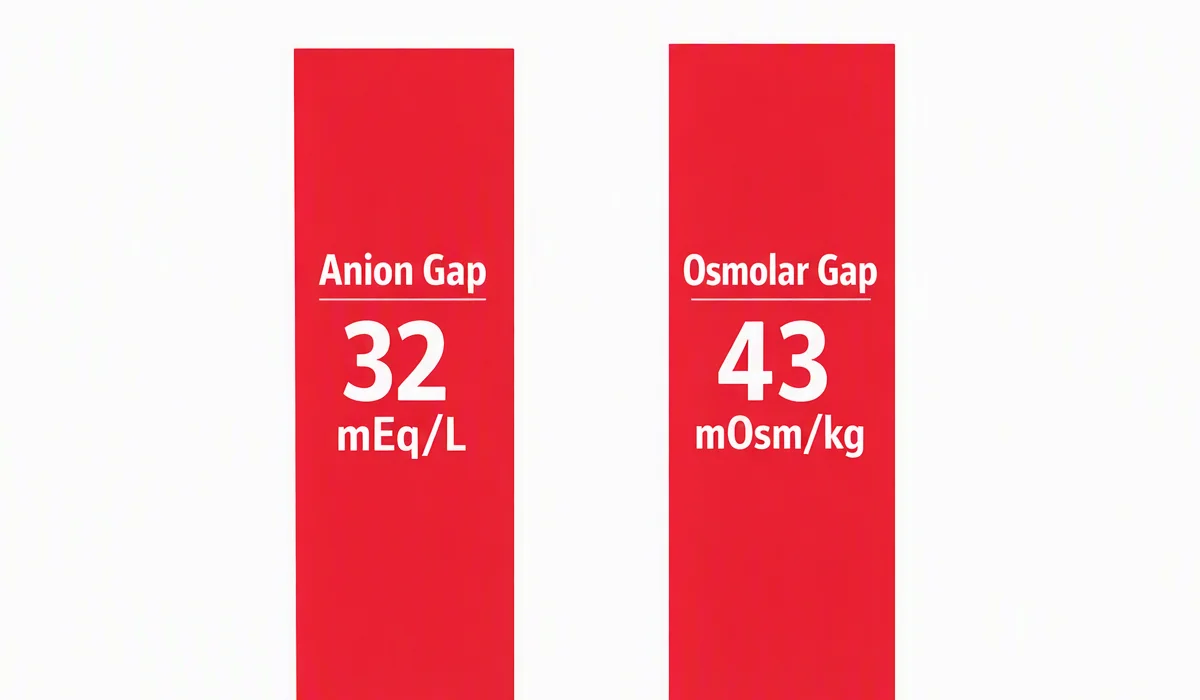
Should I be worried if my anion gap is abnormal?
Not always. An abnormal anion gap is an abnormal lab value, but its importance depends on the rest of your results and your symptoms. This is why clinical context matters so much. If you feel okay, your clinician may simply review the result with you or repeat the test. If you have concerning symptoms, such as shortness of breath or confusion, seek prompt medical evaluation.