Can Liver Failure Increase the Anion Gap?
How is defined the anion gap?
The anion gap is a derived value used to help interpreting acid-base balance and detect causes of metabolic acidosis. It is based on common electrolytes measured in blood, especially sodium, chloride, and bicarbonate. Clinicians rely on it as a useful clue that there may be excess acids in the blood or that important ions are not included from the standard measurement.
In plain terms, the anion gap compares the positively charged and negatively charged particles in the bloodstream. Because not all ions are directly measured on routine labs, the result can indicate the presence of unmeasured anions. This makes it a useful biochemical marker in the evaluation of acid-base disorders.
The anion gap is often checked alongside the rest of the serum chemistry or electrolyte panel. A change in the gap does not establish a disease by itself, but it can point toward a diagnostic workup that looks for organic acids, kidney problems, toxins, or tissue hypoperfusion. In that sense, the anion gap is a useful tool for clinical interpretation rather than a stand-alone diagnosis.
In what way an Anion Gap Calculator works
An Anion Gap Calculator draws from values from a routine metabolic panel or related lab report to calculate the gap. Most calculators use sodium, chloride, and bicarbonate level, then follow a standard formula. The exact equation may vary https://anion-gap-checker116.quillnesty.com/posts/what-is-a-mixed-acid-base-disturbance-with-high-anion-gap slightly depending on whether potassium is included, but the main approach is clear and fast.
Because the calculation is simple, the result can be generated promptly from routine laboratory data. That makes the calculator helpful when a clinician wants to check for an acid-base disorder or confirm a suspicious test result. It can also be useful for patients trying to understand what a lab report may mean, especially when the result is unexpectedly high or low.
However, the calculator only works well when the input values are read in context. The anion gap is affected by albumin, the main negatively charged protein in blood, and by shifts in acid-base balance that may not be obvious from the basic numbers alone. A calculator can identify a clinical cutoff, but it cannot explain the cause on its own.
For that reason, the most effective use of an Anion Gap Calculator is as part of a more complete assessment that includes symptoms, other labs, and the overall clinical picture. If the calculator suggests an abnormal result, the next step is usually a careful review of bicarbonate, kidney function, lactate, and albumin to decide whether the finding reflects a true acid-base problem or a corrected value that changes the interpretation.
May severe liver dysfunction elevate anion gap levels?
Yes, hepatic failure can raise this gap, but not in every case. The relationship usually comes from the way severe hepatic dysfunction affects acid processing, body chemistry, and the body’s ability to eliminate acid from the blood. When the liver is failing, lactic acidosis is one of the most important reasons the gap may go up.
The liver normally helps process the lactate, so when liver function is reduced, lactate can rise. This can lead to elevated anion gap acidosis, especially if the person is also seriously ill or has poor circulation. In other words, liver failure does not necessarily cause a high anion gap directly, but it can make an elevated gap more likely by reducing acid clearance and contributing to metabolic derangement.
Serious liver illness may also coexist with other causes of acidosis, including infection, low blood pressure, or kidney injury. In that setting, the anion gap becomes a diagnostic hint rather than a final answer. A high gap should prompt a search for the full cause, not just the liver problem alone.
In liver failure, a high anion gap often suggests the combined effects of impaired metabolism, lactate buildup, and other systemic stressors rather than one single mechanism.
Why liver failure may change acid-base balance
The liver acts a major role in acid-base balance. When it is working normally, it promotes metabolism, works to clear acids, and contributes to balanced blood chemistry. In liver failure, those functions diminish, which can shift the body toward metabolic acidosis or related acid-base disturbances.
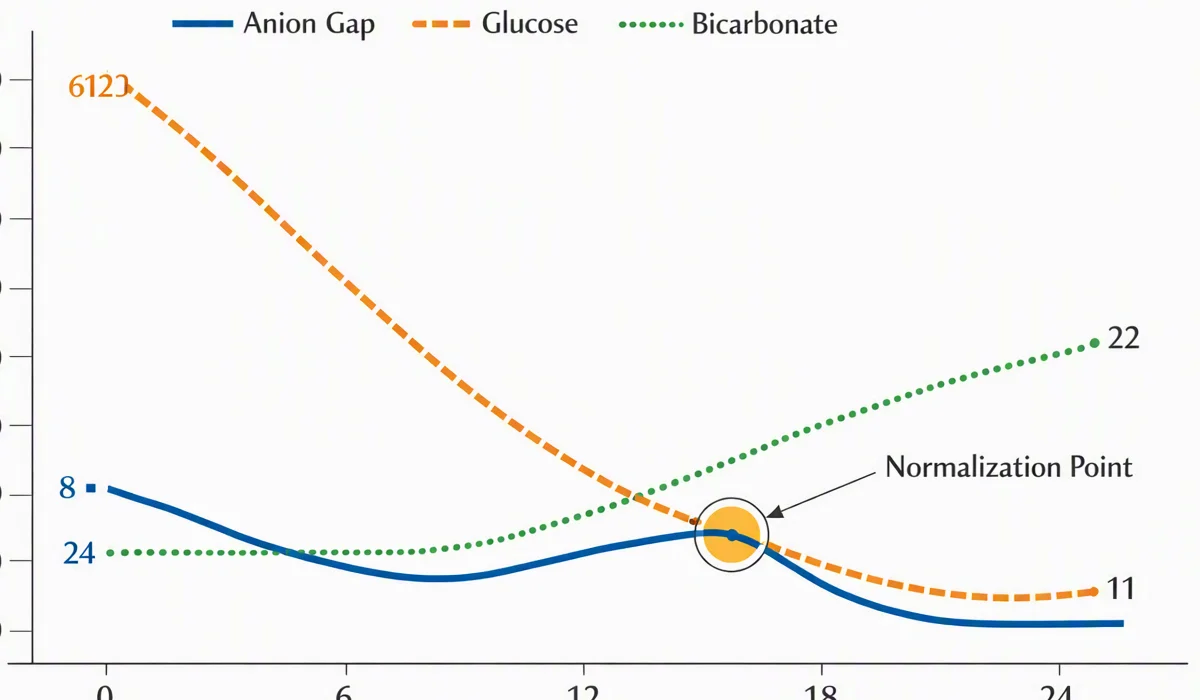
One major issue is reduced lactate clearance. Lactate is made in many tissues, especially during low oxygen states, and the liver helps remove it from circulation. If hepatic clearance drops, lactate may accumulate and contribute to a high anion gap. This is especially important in critical illness, when oxygen delivery is already compromised.
Another factor is sepsis, which is common in advanced liver disease and can trigger tissue hypoperfusion. When tissues do not receive enough blood flow, they generate more lactate and other organic acids. These acids are organic acids that can raise the anion gap and worsen the acid-base disturbance.
Renal dysfunction can also occur alongside hepatic failure. If the kidneys cannot excrete acids normally, the body accumulates more unmeasured anions. This can magnify the rise in the anion gap and make the lab pattern look more severe than liver disease alone would suggest.
Further causes of an elevated anion gap in liver disease
When someone has liver disease and an elevated anion gap, it is essential not to assume the liver is the only source. Several other problems can coexist and elevate the gap, especially in the setting of advanced illness. A thorough diagnostic workup should consider the most common confounders.
Ketoacidosis is one significant possibility. People with limited intake, alcohol use disorder, or diabetes may develop ketone buildup that raises the anion gap. In liver disease, this may happen more readily enough because illness can disrupt normal metabolism and limit energy intake. Ketones are unmeasured anions, so they can significantly affect the calculation.
Toxins are another concern. Certain ingestions can cause a high anion gap metabolic acidosis, and the presence of hepatic dysfunction may make interpretation more complicated. The liver normally helps metabolize or process many substances, so toxin-related acid-base disorders can be harder to clear when liver function is poor.
Renal failure can also elevate the gap by preventing acid excretion and allowing acids to accumulate. If liver disease and renal failure occur together, the lab pattern may reflect combined organ dysfunction rather than a single source. This overlap is typical in serious systemic illness.
Low albumin is especially important in chronic liver disease. Low albumin can lower the apparent anion gap and make a true abnormality easier to miss. That means a patient with liver disease may have an elevated gap that seems only somewhat abnormal, even when the underlying acid burden is significant.
How serum albumin affects anion gap assessment
Albumin levels is a primary factor to the measured anion gap because it bears a negative charge. With low albumin, the anion gap may seem lower than expected even if extra acids are present. This explains why albumin correction is important so much in liver disease, where hypoalbuminemia is common.
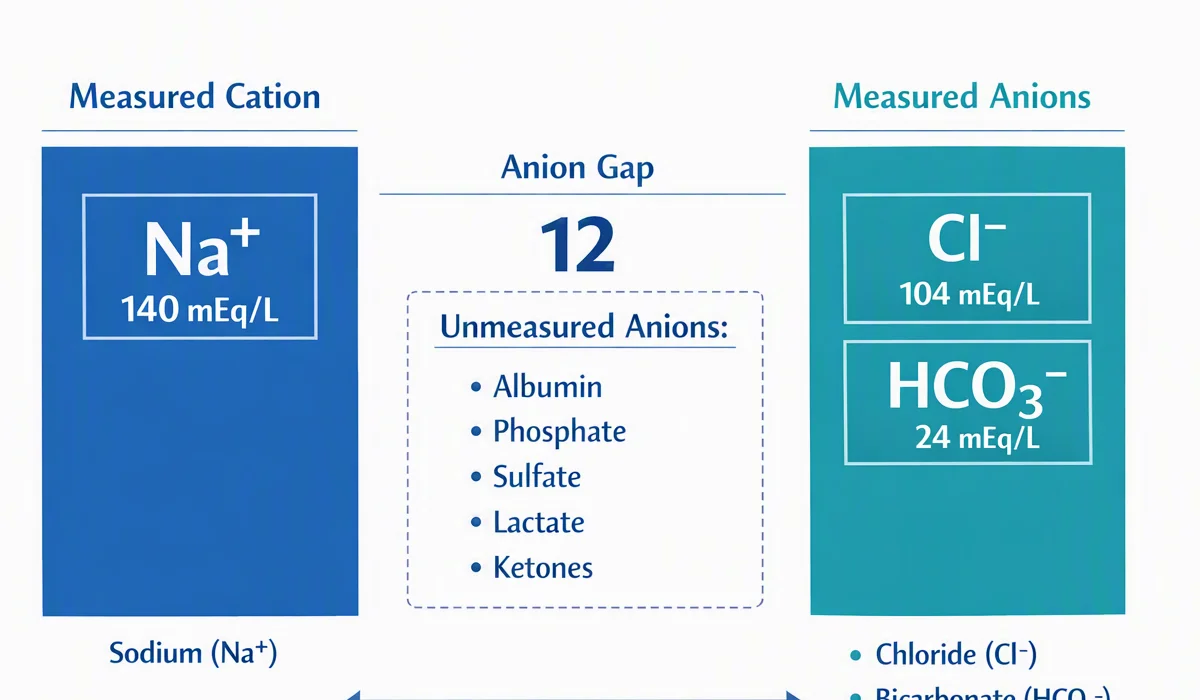
Without correction, the raw number can lead to misleading conclusions. A patient with low albumin may look “normal” on paper even though the actual acid burden is elevated. For this reason, clinicians often calculate a corrected anion gap to estimate the more accurate value. The corrected value helps account for the loss of negatively charged proteins and improves clinical interpretation.
Albumin binding also helps explain the effect. Albumin contributes to the body’s buffering capacity, so as albumin decreases, the chemical balance changes. The calculator result may therefore understate the true problem unless the albumin level is reviewed at the same time.
In practical terms, an Anion Gap Calculator is most useful when paired with albumin. When albumin is low, the raw gap should be interpreted cautiously. In liver disease, this step is often essential because hypoalbuminemia is common and can mask a clinically important acid-base disorder.
Whenever a elevated anion gap requires urgent evaluation
A high anion gap is not necessarily an emergency, but it can be a warning sign of a serious acid-base disorder. In someone with liver failure, urgent evaluation is especially important if the lab change comes with symptoms such as confusion, severe weakness, breathing quickly, vomiting, chest pain, fainting, or marked drowsiness. These emergency symptoms may indicate progressive acidosis or a different dangerous process.
Testing often includes a blood gas to determine whether the body is acidotic and how severe the disturbance is. A blood gas can help confirm whether the change is primarily metabolic, respiratory, or mixed. It also helps clinicians understand whether the lungs are compensating for the underlying issue.
Because the anion gap is tied to the full electrolyte pattern, a significant abnormality may signal a broader electrolyte imbalance that needs immediate attention. In liver disease, that imbalance might reflect lactate buildup, kidney injury, infection, toxin exposure, or a different systemic illness.
Seek immediate care if a high anion gap appears with worsening jaundice, severe abdominal pain, dehydration, low blood pressure, or a sudden change in mental status. These findings can indicate a severe metabolic problem that needs prompt evaluation rather than watchful waiting.
Often asked queries
Can liver failure immediately cause a high anion gap?
Liver failure can lead to a high anion gap, but it typically does so through secondary effects. The main mechanism is decreased lactate clearance, which can cause lactic acidosis and high anion gap metabolic acidosis. Other factors like infection, kidney injury, or poor tissue perfusion often have an influence too.
How does low albumin change the anion gap?
Low albumin decreases the number of negatively charged proteins in the blood, which can make the measured anion gap seem reduced than it really is. This is why albumin correction is essential in liver disease and why a corrected anion gap can be better adjusted than the raw number.
Which is the normal anion gap range?
The anion gap normal range can shift a bit depending on the laboratory method and whether potassium is included in the formula. Many labs set the usual range to be roughly in the low-to-mid teens or slightly lower. Because ranges vary, the lab’s reference interval should always guide diagnosis.
Can a high anion gap always be an emergency in liver disease?
Not always, but it should never be ignored. A high gap may indicate a mild or temporary shift, but in liver disease it can also signal severe metabolic acidosis, sepsis, renal dysfunction, or toxin exposure. If symptoms are present, or if the number is significantly abnormal, urgent evaluation is warranted.
What tests are used to find the cause of a high anion gap?
Common tests include repeat electrolytes, a basic metabolic panel, serum bicarbonate, lactate, kidney function tests, ketone testing, and a blood gas. Depending on the situation, clinicians may also check for toxins, infection, or other causes of acid buildup. These tests help connect the anion gap to the underlying metabolic derangement and guide treatment.